
7 practical marketing trends independent businesses can actually use in 2026
“At the start of a new year it can feel like you are supposed to chase every new tool, platform and ‘hack’”
For independent and small businesses, that is not realistic. You have limited time, limited budget and real work to deliver.
2026 will still be noisy. AI search, new social formats and constant changes in algorithms will keep rolling. The good news is that the useful trends for independents are actually quite simple: things that make you easier to trust, easier to find and easier to buy from.
This guide looks at seven marketing trends that matter for independent and small businesses in 2026 and, more importantly, what you can realistically do about them.
1. Bottom-of-funnel content becomes more important
AI tools and answer engines have made generic “what is branding” or “what is a CRM” content less useful. Those flat, top-of-funnel explainers are the first to get swallowed by AI summaries.
What is growing instead is bottom-of-funnel, long-tail content: specific articles that help people make buying decisions in narrow contexts, like “10 best CRM platforms for lead generation agencies” or “HubSpot vs Attio: which is best for your agency”.
For independent businesses this could look like:
“Squarespace vs Shopify: which works best for small service businesses”
“DIY branding vs hiring a studio: what independent businesses should consider”
“Instagram vs Google Business Profile: where should local service businesses focus first”
“How much does branding really cost for a small business in the UK, USA, or Canada”
These are the questions people ask when they are close to taking action, not just browsing.
What to do in 2026:
Identify the 5 to 10 “should we choose A or B” questions your clients actually ask.
Turn each into a clear, opinionated article in your Resources section.
Be honest about your recommendations and show how you approach decisions in real projects.
This type of content is more likely to survive in both traditional search results and AI answers because it is grounded in real judgement and narrow intent.
2. Helpful, specific guides still feed AI and search
Despite the noise about “SEO being dead”, well written, human articles are still being cited heavily by AI search tools as source material. That will continue in 2026.
For you, that means your existing and planned pillar pieces still matter:
Branding for independent and small businesses
Websites and local visibility for independent businesses
Simple marketing plans for small teams
Guides that answer focused questions like “how to promote your business with a simple marketing plan” are exactly the type of content that AI assistants pull from and link back to.
What to do in 2026:
Keep your three pillar guides current and detailed.
Make sure each one is clearly written for independent and small businesses, not generic “everyone”.
Use them as hubs that your more specific, bottom-of-funnel articles link back to.
You are essentially building a small, focused library that AI and search can recognise as a useful source for your niche.
3. Your website is still the home base people trust
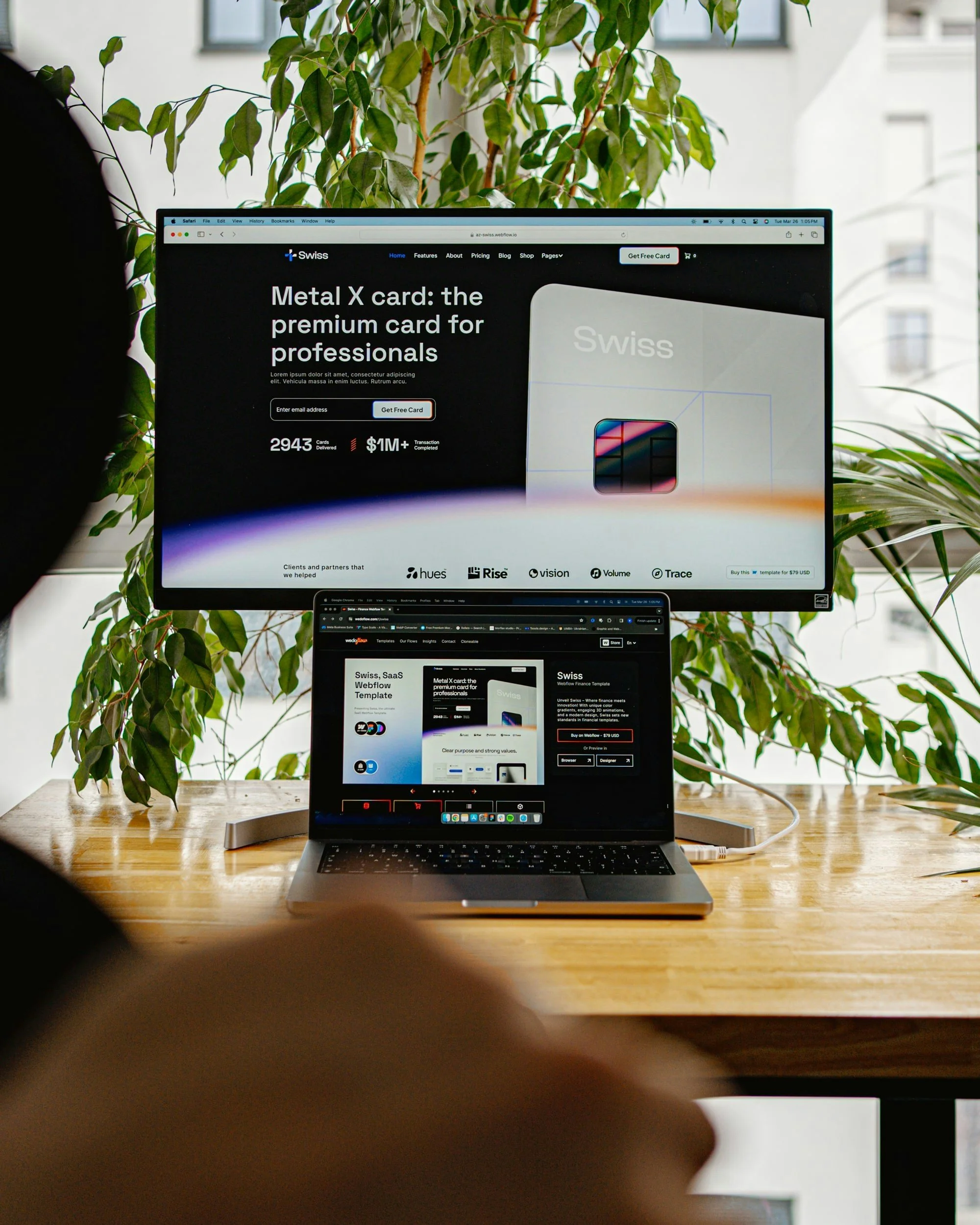
Even as AI answers more questions directly in search, people still click through to websites to sanity-check what they read, see proof and decide if a business feels real.
In 2026, for independent and small businesses your website still needs to:
Clearly explain what you do, who you help and how to start working with you
Reflect your current services, prices and projects
Load cleanly on mobile and not feel broken or neglected
Show enough proof that you feel like a safe choice
What to do in 2026:
Give your site a short audit every quarter and update anything clearly out of date.
Prioritise clarity over clever layouts or animations.
Make services, work and contact pages easy to reach from your navigation.
Link your key Resources articles from relevant sections on the site so visitors see depth quickly.
Your website is what you point everything else at. Social media, email, search and local profiles all need somewhere solid to send people.
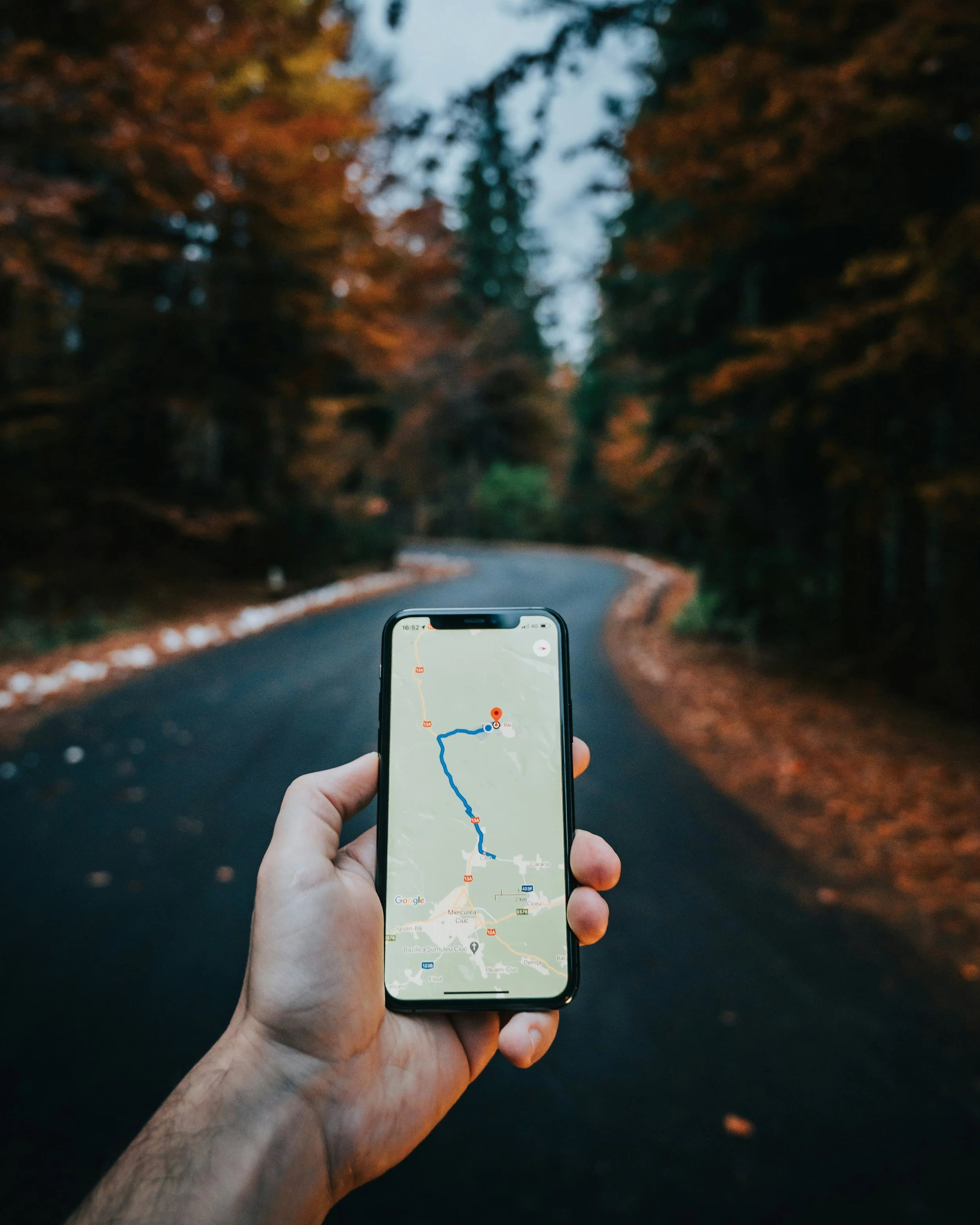
4. Local search and Google Business Profile stay critical for service businesses
For local service businesses, shops and cafés, Google Business Profile and map listings are often more important than standard website search results.
In 2026, more people will:
Search using “near me” phrasing
Decide based on reviews, photos and basic info in your profile
Tap for directions or call straight from the map result
What to do in 2026:
Fully claim and verify your Google Business Profile.
Make sure name, address, phone and opening hours match your website.
Add recent, real photos of your work or space.
Ask happy customers for honest reviews throughout the year.
Post occasional small updates if relevant for your type of business.
Then, link that profile to a page on your site that feels alive, usually your homepage or focused services page.

5. Owning a small audience matters more than chasing reach
Social platforms will keep changing and reach will remain unpredictable. That is fine for big brands with teams and budgets. It is frustrating and risky if they are your only source of attention.
For independent businesses, owning a small but engaged audience will matter more in 2026 than chasing big follower numbers.
What to do in 2026:
Start or continue a very simple email list, even if you only send something once a month or once a quarter.
Use social platforms to drive people to your site and email list, not the other way around.
Create a light monthly rhythm that fits around your work, not one that burns you out.
A small list of people who actually want to hear from you will be more valuable than a large, passive social following you cannot reach without paying.

6. Design quality is a clear advantage in a world full of AI content
AI tools make it easy for anyone to generate content and visuals. That also means there is more average looking, generic material than ever.
In this environment, design quality and taste become an advantage. Not just in terms of logos and colours, but in:
How your website feels to use
How your content is structured and presented
How your brand shows up across proposals, quotes, decks and print
This aligns strongly with what good marketers are already seeing: design is becoming a core marketing skill, not an afterthought.
What to do in 2026:
Make sure your core touchpoints look and feel considered: website, quotes, proposals, key documents, social templates.
Focus on consistency and clarity instead of chasing every design trend.
When you invest in design, start with the pieces your customers actually see during the buying process, not only the top layer.
A small business that looks tidy, consistent and confident will stand out even more in a sea of AI-generated visuals.

7. Clear, simple offers are easier to buy
One of the most useful trends for independent businesses is the move toward smaller, clearer service offers. Instead of endless custom quotes and vague “we do everything” lists, successful small teams are packaging their services into simple starting points.
In 2026, that looks like:
A clear brand starter package
A simple website package for common needs
A light, defined marketing support package
What to do in 2026:
Look at the projects you did in 2025 and group them into 2 or 3 repeatable types.
Give each a straightforward name, a clear description of who it is for, what is included and what the outcome is.
Make those offers highly visible on your services and contact pages.
Use your Resources content and social posts to explain when each offer is the right fit.
This makes it easier for people to understand how to work with you and makes your own marketing more focused.
Key takeaways:
Bottom-of-funnel, long-tail content that helps people make buying decisions will be more valuable than generic explainers in 2026.
Human written guides that show lived experience will continue to feed both AI search and traditional search results.
Your website and Google Business Profile remain core assets, especially for independent and local service businesses.
Owning a small, engaged audience through email and clear offers is safer than relying only on algorithmic reach.
Design quality and consistency across your key touchpoints will make you stand out in a world full of AI content.
Packaging what you do into simple, repeatable offers makes it easier for people to buy from you and easier for you to market your services.
If any of this has you thinking about your own business or where to take things next, feel free to get in touch.
Visit our contact page, book an intro call, or fill out the enquiry form and we will reach out shortly.
Email: hello.homerun.co@gmail.com
