Do I need a website if I already have Instagram? Advice for small and local businesses
Last updated: jan 2026
It's a fair question. If your Instagram is busy, your DMs are full, and people seem to find you just fine, why bother with a website?
It's more common than you'd think. Around 17% of small businesses still don't have a website, and a big chunk of those are relying on social media instead. The question is whether that's a reasonable strategy or a slow leak in the business.
For some businesses, Instagram genuinely is enough. But for most, relying on it as your only online presence is riskier than it feels. Here's how to think through whether you actually need a website, or whether you're fine as you are.
When Instagram alone can work
Let's be honest: there are businesses where a website isn't essential.
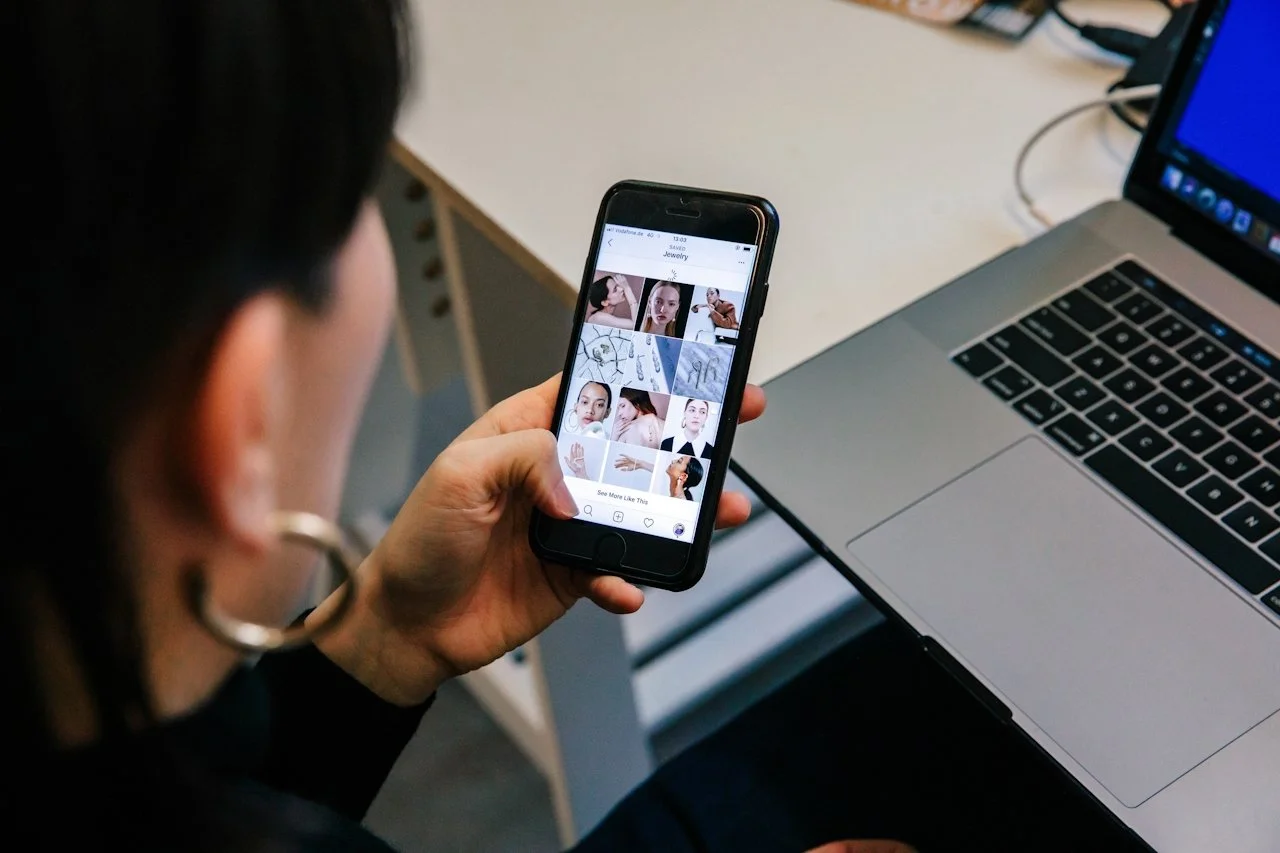
If you're a mobile food vendor, a market stall, or a solo creative selling prints or commissions to a tight community, Instagram might cover everything you need. Your audience is already there. They can see your work, message you directly, and buy or book without ever leaving the app.
If your business is local, visual, and simple, and your audience skews younger or very online, you might not need more than a polished profile, a clear bio, and a way to take bookings or payments through DMs or a link-in-bio tool.
But here's the catch: you're building on rented land.
The problem with relying only on Instagram
You don't own it.
Instagram can change the algorithm tomorrow. Reach can drop. Your account can get hacked, suspended, or shadowbanned for reasons you'll never fully understand. If your entire business lives on a platform you don't control, you're one policy change away from starting over.
It's hard to be found outside the app.
Instagram is not great for search. If someone googles "plumber in Bristol" or "branding studio Toronto," your Instagram probably isn't showing up. A website, properly set up with clear information and local relevance, has a much better chance of appearing in search results and in AI-generated answers. In fact, 70% of people who discover a business on social media still go to Google to research before making a decision. If there's nothing there to find, that search ends at a competitor who does have a site.
You can't tell your full story.
Instagram is good for moments. A website lets you explain who you are, what you do, who you help, and how to work with you, all in one place, laid out the way you want. It's where someone goes when they want to take you seriously before getting in touch.
Some customers won't take you seriously without one.
Fair or not, a lot of people still see a missing website as a red flag. It might not stop everyone, but it will stop some, especially if they're comparing you to a competitor who looks more established. Whether you're a trades business in Toronto or a café anywhere else, a missing website still raises eyebrows.
Your marketing plan also has a role to play here. Here's how to think about that as a whole.
What a website actually does for you
Over 81% of consumers research a business online before making a purchase. Most of that research starts on Google, not Instagram. If there's nothing to find, that search ends at a competitor who does have a site.
A website is a home base. Everything else, social media, email, Google Business Profile, word of mouth, points back to it.
It gives you:
Credibility: Even a simple one-page site signals that you're a real, established business.
Searchability: A website can rank in Google and get cited by AI tools. Instagram can't.
Control: You decide how it looks, what it says, and what people see first.
Space to explain: Services, pricing guidance, FAQs, case studies, the stuff that doesn't fit in a bio or a carousel.
A clear call to action: A contact form, a booking link, a phone number, whatever makes it easy for someone to take the next step.
Why "simple" isn't the same as "easy"
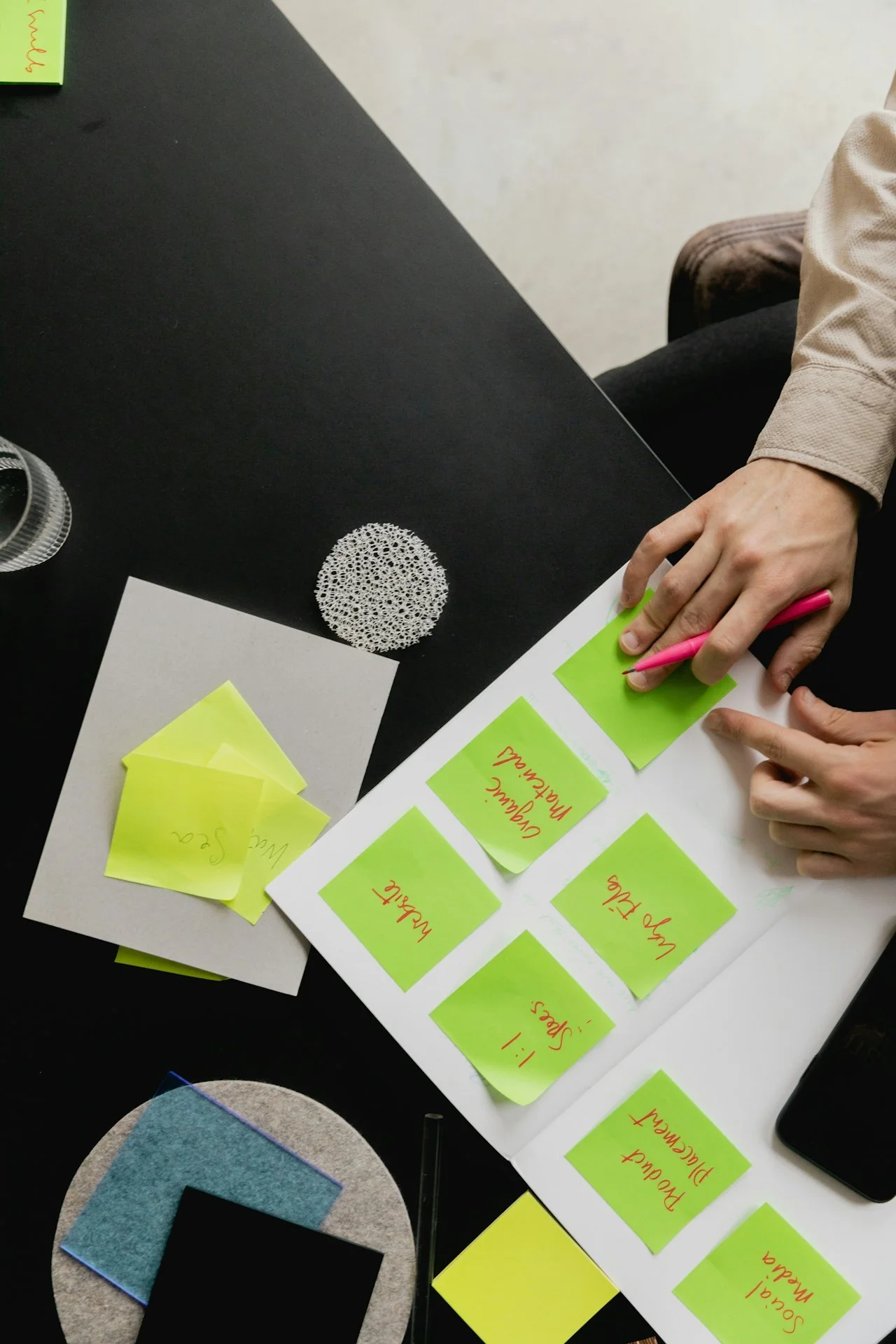
A website doesn't need to be complicated. For most small businesses, a clean five-page site is more than enough: homepage, services, about, work, and contact.
But getting those pages right is harder than it sounds. Knowing what to say, how to structure it, what to leave out, and how to make the whole thing feel like you takes more thought than most people expect. A site that looks thrown together or reads like it was written by someone who doesn't really understand the business can do more harm than good.
The difference between a website that exists and a website that actually works for your business often comes down to clarity, structure, and design that builds trust at a glance. That's where working with someone who understands both your brand and how people make decisions online can make a real difference.
FAQs
Do small businesses really need a website in 2025?
For most, yes. Around 81% of consumers research a business online before making a decision, and that search almost always starts on Google, not Instagram. Without a website, you're invisible to anyone who isn't already following you.
Can I use Instagram instead of a website for my business?
For some very visual, community-driven businesses it can work short term. But Instagram is a platform you don't own or control, and it offers no real search visibility outside the app. It's a good complement to a website, not a replacement for one.
What does a small business website need to include?
At minimum: a clear homepage that explains what you do and who it's for, a services or work page, an about section, and a way to get in touch. It doesn't need to be complex, but every page needs to do a job. A site that looks good but doesn't communicate clearly won't convert visitors into enquiries.
Is a website better than Instagram for getting found on Google?
Yes, significantly. Instagram profiles rarely appear in Google search results for service-based queries. A properly structured website, with clear page titles, location references, and relevant content, gives you a real chance of showing up when someone searches for exactly what you offer.
If you're running your business on Instagram and wondering whether it's time to have something you actually own, that's a conversation worth having. Get in touch and we'll give you an honest view.